
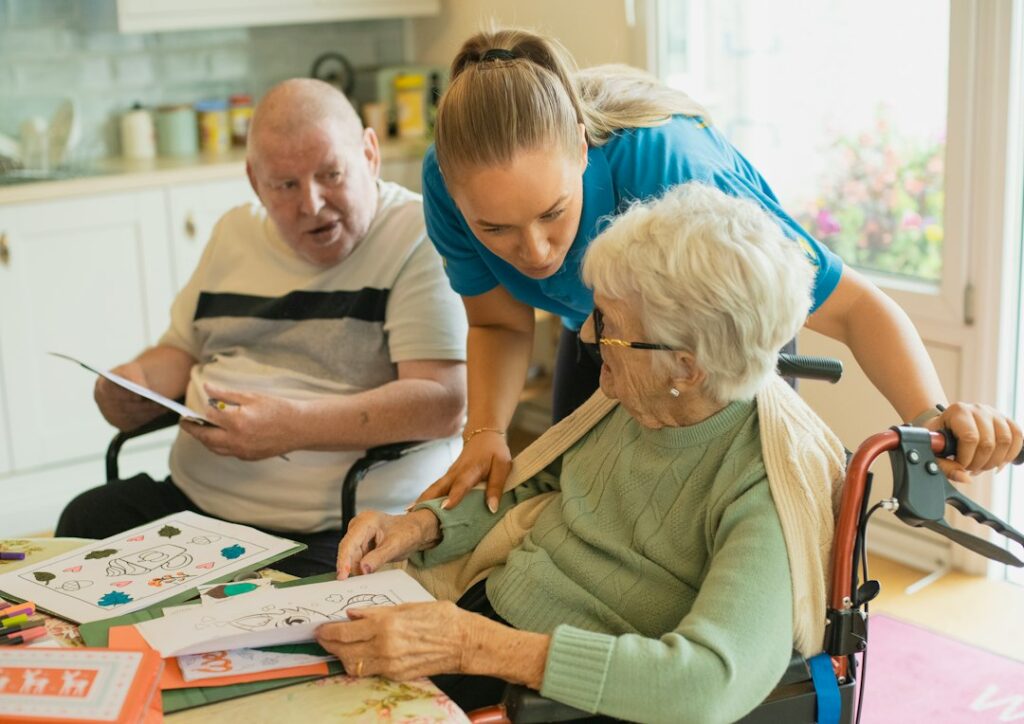
Choosing the right level of care starts with matching daily support needs—not simply choosing between staying home and moving into assisted living. For residents and families in Limerick, the most suitable option may be in-home help, a personal care home, an assisted living residence, memory support, or skilled nursing care.
What does “level of care” mean?
A level of care describes how much help, supervision, and medical support a person needs to live safely and maintain a reasonable quality of life.
Care needs are usually evaluated in two broad areas:
- Activities of daily living: bathing, dressing, eating, toileting, walking, transferring, and personal hygiene
- Instrumental activities of daily living: managing medications, preparing meals, arranging transportation, shopping, handling finances, using a phone, and keeping up with household tasks
Someone may appear physically independent but still need substantial help with medication management, judgment, or household safety. The right decision considers the whole pattern of daily life rather than one isolated difficulty.
Is staying at home still a safe option?
Remaining at home may be appropriate when a person can manage most personal care safely and has reliable support for the tasks that have become difficult. In-home assistance can sometimes address bathing, meal preparation, light housekeeping, transportation, medication reminders, or companionship.
Home care becomes harder to manage when:
- A person repeatedly falls or cannot get up after a fall
- Medications are missed, doubled, or taken incorrectly
- Meals are skipped or food spoils regularly
- There are concerns about wandering, unsafe driving, or leaving appliances on
- Family caregivers are exhausted or unavailable
- Help is needed overnight or several times throughout the day
- The home has stairs, clutter, poor lighting, or other hazards
Seasonal conditions can also affect the decision. In Limerick, winter ice, snow, shorter daylight hours, and cold temperatures may make walking, driving, errands, and emergency access more difficult. A person who manages adequately in mild weather may need additional support during winter.
When is a personal care home or assisted living appropriate?
A personal care home or assisted living residence may be suitable for someone who needs regular help or supervision but does not require continuous skilled nursing care.
Pennsylvania distinguishes between personal care homes and assisted living residences, although both provide residential support. Personal care homes generally offer meals, supervision, and assistance with personal care. Assisted living residences may be designed to support people with higher needs while encouraging more independence, choice, and aging in place.
Typical services may include:
- Assistance with bathing, dressing, grooming, and toileting
- Help walking or transferring between a bed, chair, and standing position
- Medication assistance or administration
- Meals, laundry, and housekeeping
- Transportation arrangements
- Health-care coordination
- Social activities and daily structure
- Supervision for changes in memory, judgment, or behavior
The key question is not whether a person needs “some help.” It is whether the setting can safely provide the specific type, frequency, and timing of help required.
Does needing memory support automatically mean nursing care?
No. Memory loss alone does not determine the appropriate setting. A person with early or moderate dementia may live safely in assisted living or a designated memory support area if the residence can manage wandering, medication needs, personal care, communication difficulties, and changes in behavior.
More intensive care may be needed when dementia is accompanied by:
- Frequent wandering or exit-seeking
- Aggression or severe distress that cannot be managed safely
- Inability to eat, drink, toilet, or transfer without extensive help
- Serious nighttime confusion
- Complex medical needs
- Repeated falls or injuries
A memory diagnosis should lead to a detailed assessment of safety and daily function, not an automatic assumption about placement.
When is skilled nursing care more appropriate?
Skilled nursing is generally intended for people who require ongoing nursing oversight, complex medical treatment, rehabilitation, or extensive assistance that a residential personal care setting cannot provide.
Examples may include:
- Ongoing wound care
- Frequent injections or complex medical treatments
- Dependence on a ventilator or other advanced equipment
- Severe mobility limitations requiring extensive transfers
- Unstable medical conditions
- Recovery after a major illness, injury, or hospitalization
- Around-the-clock nursing needs
A person may move between levels of care over time. Rehabilitation after surgery does not always mean permanent nursing home care, just as a temporary improvement does not guarantee that living alone will remain safe.
How should families assess care needs?
A practical assessment should cover an ordinary week, not just a good day. Keep a written record for several days of what the person can do independently, what requires reminders, and what requires hands-on assistance.
Questions to consider include:
- Can the person bathe and dress without falling?
- Can medications be taken correctly at the right times?
- Can the person recognize an emergency and call for help?
- Is walking safe with a cane, walker, or wheelchair?
- Can the person use the toilet independently?
- Are meals prepared and eaten regularly?
- Can the person manage money, appointments, and transportation?
- Does the person become confused or unsafe at night?
- How much help is needed, and how often?

A primary-care clinician, hospital discharge team, or other qualified health professional may be needed when the situation involves falls, sudden confusion, serious medical conditions, or uncertainty about what services are safe. Those concerns require more than a simple housing comparison.
What should be compared during a visit?
A tour should focus on actual care practices rather than appearance alone. Pennsylvania personal care homes and assisted living residences must be licensed and inspected, but families still need to understand what a particular setting can and cannot provide.
Ask for clear answers about:
- Which services are included in the monthly fee
- How additional care is assessed and charged
- Whether staff are available overnight
- How medications are handled
- What happens after a fall or medical emergency
- Whether physical assistance with transfers is available
- How the residence supports residents with dementia
- What conditions could require a move to a higher level of care
- How often care plans are reviewed
- Whether staff can meet the person’s needs if those needs increase
Visit more than once, including during a meal or evening period if possible. Observe whether staff respond respectfully, whether residents appear engaged or isolated, and whether hallways, bathrooms, entrances, and outdoor areas appear safe and accessible.
How do costs affect the decision?
Cost should be evaluated against the full amount of support required. A lower base rate may not remain lower if medication management, bathing assistance, incontinence care, transportation, or increased supervision are billed separately.
Ask for a written explanation of:
- The base monthly charge
- Care levels and how they are determined
- One-time admission or administrative fees
- Medication and transportation charges
- Charges for supplies or specialized services
- Policies for future increases
- What happens if funds become limited
Pennsylvania personal care homes and assisted living residences are generally paid privately, although some residents may qualify for limited assistance through specific programs. Eligibility and coverage can change, so financial planning should be based on current written information.
What is the most reliable way to decide?
The right level of care is the least restrictive setting that can safely meet current needs while allowing room for predictable changes. Choosing too little support can lead to falls, caregiver burnout, repeated hospital visits, or a crisis move. Choosing substantially more care than necessary may reduce independence and create avoidable expense.
For households in Limerick, the best decision usually comes from combining a realistic daily-care assessment, a review of medical and safety concerns, direct observation during visits, and a careful comparison of what each setting actually provides. The decision should be revisited whenever there is a major fall, hospitalization, change in memory, new diagnosis, or noticeable decline in the ability to manage everyday tasks.
