
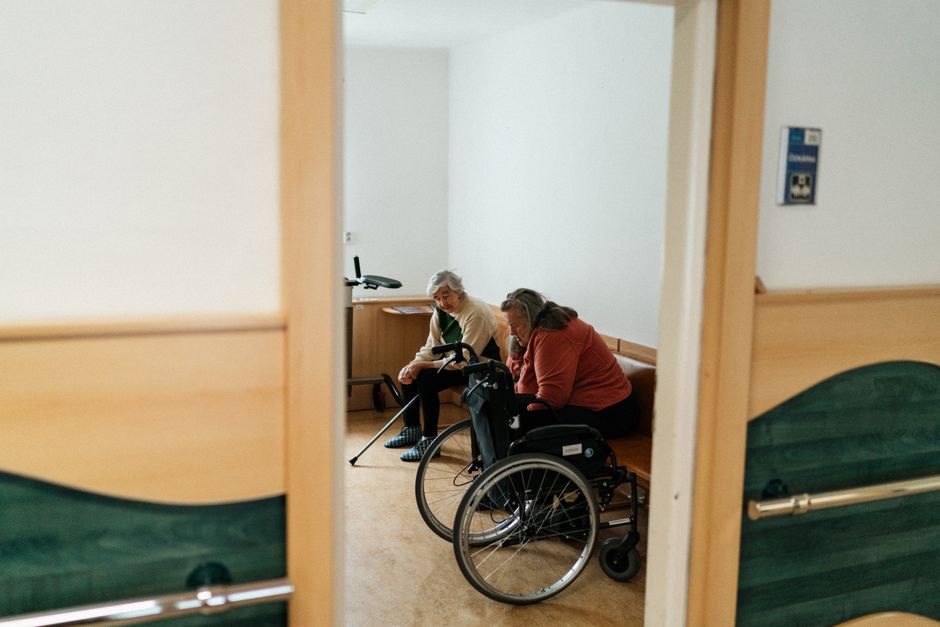
Moving into assisted living can provide more daily support, but it does not automatically prevent loneliness. A resident may be surrounded by people and still miss familiar routines, close relationships, privacy, or a sense of purpose. Managing loneliness usually requires a combination of personal choices, steady contact with others, and attention to emotional and physical health.
What does loneliness look like in assisted living?
Loneliness is the distressing feeling of lacking meaningful connection. It is different from simply being alone. Some residents enjoy quiet time and feel content, while others may feel lonely even after attending a group activity.
Possible signs include:
- Eating most meals alone or staying in the apartment for long periods
- Losing interest in favorite hobbies
- Frequently saying that nobody understands or notices them
- Sleeping poorly or feeling tired during the day
- Becoming unusually irritable, tearful, anxious, or withdrawn
- Skipping activities that were once enjoyable
- Talking often about deceased friends, an old home, or life before the move
Loneliness may be temporary during the adjustment period, especially after a move, hospitalization, loss of a spouse, or change in health. If it continues for several weeks or begins affecting eating, sleep, medication routines, mobility, or personal care, it deserves attention.
Why can loneliness happen after a move?
Assisted living changes more than a person’s address. It may change how the resident spends time, makes decisions, travels, shops, prepares meals, and maintains relationships.
A resident may be grieving:
- A former home, neighborhood, or familiar schedule
- A spouse, sibling, friend, or pet
- Physical abilities or independence
- The ability to drive or participate in former activities
- Privacy and control over daily routines
There can also be a mismatch between the resident and the surrounding community. A person may not share the same age, interests, cultural background, communication style, or activity preferences as nearby residents. Hearing loss, vision changes, memory problems, pain, or difficulty walking can make casual conversation harder.
Seasonal conditions may add another challenge. In Limerick, cold weather, snow, icy walkways, summer heat, and periods of heavy rain can limit outdoor visits and reduce opportunities to leave the residence. Planning indoor alternatives helps prevent a temporary weather problem from becoming prolonged isolation.
What daily habits can reduce loneliness?
The most useful habits are usually small, predictable, and connected to the resident’s interests. A person does not need to attend every group event to build relationships.
Helpful approaches include:
- Choosing one regular meal in a shared dining area
- Sitting near the same people at an activity or meal
- Greeting neighbors in the hallway or common room
- Joining a small group rather than a large, noisy event
- Asking another resident about a former job, hobby, family tradition, or favorite music
- Keeping a simple weekly schedule for visits, calls, activities, and rest
- Spending time in a common area, even without participating in a formal program
- Returning to an activity several times before deciding whether it is a good fit
Repeated contact often matters more than a single social event. Familiarity makes conversation easier and gives relationships time to develop.
Which activities are most helpful?
Activities are more likely to reduce loneliness when they provide a shared purpose, not just entertainment. A resident who dislikes crowded games may enjoy helping arrange materials, watering plants, folding newsletters, discussing current events, listening to music, or teaching a skill.
Potential options include:
- Small discussion groups
- Card games, puzzles, or tabletop activities
- Art, knitting, woodworking, or other hands-on projects
- Walking indoors with a companion
- Gardening or caring for indoor plants
- Reading or listening to books together
- Faith-based reflection or spiritual discussion
- Cooking demonstrations or recipe exchanges
- Reminiscence conversations using photographs and familiar objects
- Intergenerational visits with children, grandchildren, or students
Pennsylvania assisted living rules call for daily activity programming that supports social, physical, intellectual, and recreational participation. Residents can still express preferences if the scheduled options do not fit their interests, abilities, or energy level.
How can family members provide meaningful support?
Frequent contact is helpful, but the quality and predictability of contact often matter more than the length of each visit. A short weekly video call may be easier to maintain than occasional long visits.
Family members can:
- Set a regular day and time for calls
- Bring familiar photographs, music, books, or seasonal decorations
- Invite the resident to share opinions and memories rather than only asking, “How are you?”
- Take a walk together when conditions are safe
- Include the resident in ordinary decisions, such as choosing a meal, gift, recipe, or family activity
- Help maintain relationships with friends, former neighbors, faith communities, or clubs
- Notice changes in mood, appetite, sleep, and participation
Visits should not always feel like an interview or medical check-in. Folding laundry together, looking through photographs, watching a familiar program, or sitting quietly can provide connection without requiring constant conversation.
What if a resident refuses activities?
Refusing activities does not always mean a person is unwilling to connect. The resident may be tired, embarrassed, hard of hearing, uncomfortable in groups, depressed, in pain, or unsure what to expect.
Instead of insisting, try identifying the barrier:
- Is the room too noisy?
- Is transportation or walking assistance needed?
- Does the activity occur during the resident’s best rest time?
- Is the group too large?
- Would a familiar companion make participation easier?
- Does the resident prefer observing before joining?
- Is the activity too difficult, childish, or unrelated to personal interests?
A quieter alternative may work better. A resident who declines a group program might accept coffee with one person, a brief hallway conversation, or a visit in the apartment.
When should loneliness be discussed with a health professional?
Persistent loneliness should be taken seriously, especially when it appears with depression, anxiety, confusion, hopelessness, weight loss, sleep changes, or reduced self-care. Loneliness can also be intensified by hearing loss, medication effects, untreated pain, vision problems, or cognitive changes.
A resident or family member can raise concerns with the resident’s care team and ask whether a health assessment, hearing or vision check, medication review, counseling referral, or mental health support would be appropriate. Immediate help is needed if a resident talks about wanting to die, feeling like a burden, or being unable to stay safe.
Residents also have a right to personal choice, privacy, and participation in decisions about daily life. Support should encourage connection without forcing social interaction. The goal is not to keep someone busy every hour; it is to help the person experience belonging, purpose, and dependable human contact.
How can a resident create a personal connection plan?
A simple plan can begin with three questions:
1. Who helps me feel known? List family members, friends, neighbors, staff members, former coworkers, or faith contacts.
2. What activities feel natural to me? Include hobbies, conversations, music, movement, learning, service, and quiet companionship.
3. What makes connection difficult? Identify transportation, hearing, mobility, fatigue, grief, anxiety, language, memory, or scheduling barriers.
From there, choose one social contact, one meaningful activity, and one routine for the coming week. Progress may look like sitting in a common area for ten minutes, answering a phone call, attending part of an activity, or learning one neighbor’s name. These modest steps can help a new setting feel more familiar and personally meaningful.
