
Assisted living communities use layered safety measures to reduce falls, medication errors, infections, emergencies, and other risks. Infection prevention is one part of a broader safety system that includes staff training, cleaning procedures, resident assessments, emergency planning, communication with families, and prompt medical attention when symptoms appear.
In Pennsylvania, assisted living residences and personal care homes are residential settings licensed by the Department of Human Services. They are not the same as nursing homes, and the level of medical care available can differ by residence. Residents and families should understand both the facility’s safety procedures and the types of care it is authorized to provide.
What infection-prevention protocols should an assisted living residence have?
A well-organized residence should maintain a written infection prevention and control program that explains how staff prevent, identify, document, and respond to illness. The program should be specific to the building, resident population, staffing pattern, and services provided.
Core elements commonly include:
- Hand hygiene procedures for staff, residents, visitors, and contractors
- Cleaning and disinfection schedules for resident rooms, bathrooms, dining areas, activity rooms, and shared equipment
- Policies for using gloves, gowns, masks, and other personal protective equipment
- Procedures for managing respiratory, gastrointestinal, skin, and other contagious illnesses
- Staff education and competency checks
- Tracking of symptoms, infections, exposures, and outbreaks
- Communication procedures for residents, families, health care providers, and public health authorities
- Plans for maintaining essential services during an outbreak
The plan should not exist only in a binder. Staff should know where supplies are located, who makes infection-control decisions, how symptoms are reported, and what changes are made when several people become ill.
How does hand hygiene reduce infection risk?
Hand hygiene is one of the most effective everyday protections against spreading germs. Staff should clean their hands before and after resident care, after removing gloves, before handling food or medication, and after contact with bodily fluids or contaminated surfaces.
Residents and visitors also have an important role. Hands should be cleaned:
- Before eating or helping someone eat
- After using the bathroom
- After coughing, sneezing, or blowing the nose
- After touching shared equipment or frequently handled surfaces
- Before and after visiting a resident who is ill
Alcohol-based hand sanitizer is useful when hands are not visibly dirty. Soap and water are preferred when hands are visibly soiled and are especially important after diarrhea or vomiting. Sanitizer stations should be accessible, but they must be placed and monitored in a way that considers residents who may accidentally ingest the product.
A common misconception is that wearing gloves replaces handwashing. Gloves can become contaminated just like hands, and staff still need to clean their hands before putting gloves on and after taking them off.
What should happen when a resident develops symptoms?
New symptoms should be reported promptly rather than dismissed as a normal part of aging. Warning signs may include fever, new cough, sore throat, shortness of breath, vomiting, diarrhea, unusual fatigue, painful urination, a new wound, spreading rash, or sudden confusion.
The response may include:
- Assessing the resident and notifying the appropriate health care provider
- Testing when clinically appropriate
- Separating the symptomatic resident from shared activities for a period of time
- Increasing use of masks or other protective equipment
- Limiting unnecessary close contact while preserving essential care and social support
- Cleaning and disinfecting affected areas
- Monitoring roommates, close contacts, and staff for symptoms
- Informing family members according to facility policy and privacy requirements
Separation does not necessarily mean complete isolation. Residents still need meals, medications, personal care, emotional support, and opportunities for safe movement. Restrictions should be based on the illness, current public health guidance, and the resident’s medical and functional needs.
How are respiratory viruses addressed during seasonal illness?
Influenza, COVID-19, respiratory syncytial virus, and other respiratory viruses can spread quickly in shared living environments. Risk may rise during colder months, when windows are closed and more activities take place indoors. Heating systems can also contribute to dry air, while winter weather in the area may reduce outdoor ventilation opportunities.
Practical measures include:
- Encouraging recommended vaccinations for residents and staff
- Watching for increased illness in the surrounding community
- Improving ventilation when weather and building conditions allow
- Using masks during periods of increased transmission or around symptomatic individuals
- Offering testing when results will guide treatment or precautions
- Keeping tissues and no-touch waste containers available
- Teaching cough and sneeze etiquette
- Avoiding work by staff who are ill, consistent with facility policy and current guidance

Families should ask how the residence communicates respiratory outbreaks, whether visits are modified temporarily, and how residents can stay connected if group activities are paused.
What cleaning practices matter most?
Routine cleaning should focus on both visibly dirty areas and frequently touched surfaces. Door handles, handrails, elevator controls, light switches, bathroom fixtures, dining tables, mobility equipment, and shared activity items may require regular attention.
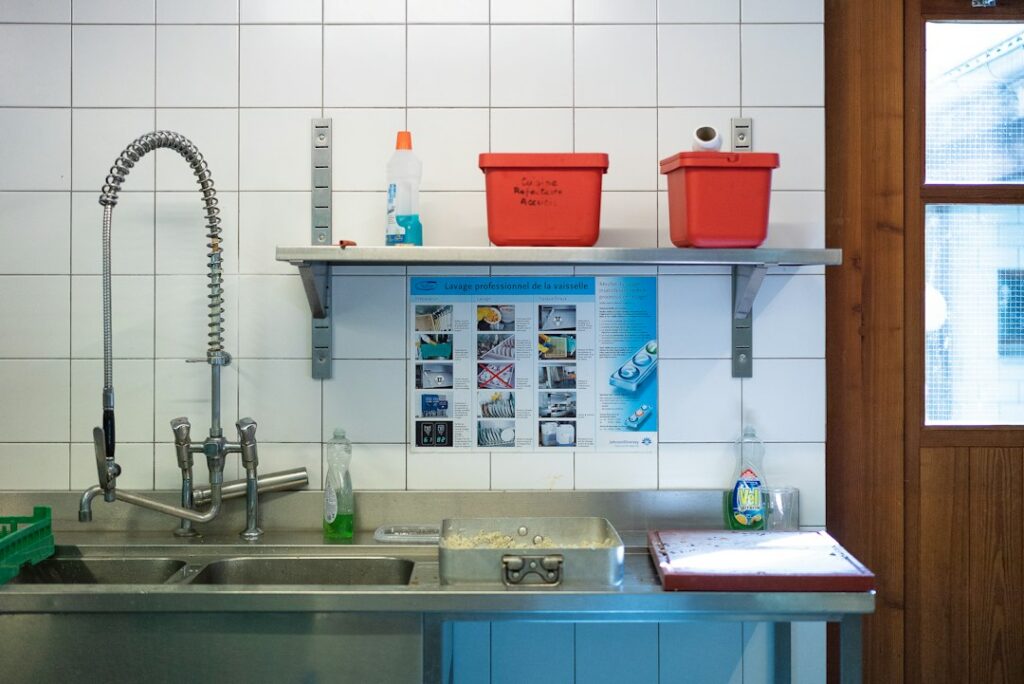
Cleaning and disinfection are different steps. Cleaning removes dirt and some germs, while disinfection uses an appropriate product and contact time to destroy many remaining germs. Staff should follow product instructions and avoid mixing chemicals, which can create dangerous fumes.
Special care is needed after vomiting, diarrhea, blood exposure, or other bodily-fluid incidents. The response should include appropriate protective equipment, safe disposal of contaminated materials, hand hygiene, and cleaning products suitable for the suspected illness.
Laundry and dishes also require consistent procedures. Soiled linens should be handled in a way that limits shaking and cross-contamination. Shared food and drink items should not be passed between residents unless properly cleaned and sanitized.
What other safety protocols should residents expect?
Infection prevention works best when combined with general resident safety practices. A residence should have procedures for fall prevention, emergency evacuation, fire response, severe weather, missing residents, power interruptions, medication management, and urgent changes in health status.
Staff should know residents’ mobility limitations, allergies, swallowing risks, cognitive changes, and signs of deterioration. Good documentation helps different shifts recognize changes rather than treating each event as isolated.
Medication safety is also connected to infection prevention. Antibiotics should be used only as prescribed, taken for the correct duration, and monitored for side effects such as severe or persistent diarrhea. Unnecessary antibiotic use can contribute to resistant infections and may create additional risks.
What questions can families ask before or during a stay?
Residents and families can reasonably ask:
- Who oversees infection prevention?
- How are new symptoms reported and documented?
- What happens during an outbreak?
- How are visitors informed about temporary precautions?
- Are handwashing supplies and masks readily available?
- How often are shared areas and equipment cleaned?
- How are vaccinations offered or documented?
- How does the residence handle staff illness?
- What is the process for communicating with a resident’s medical provider?
- How can a resident or family member report a safety concern?
A clear answer should describe actual procedures rather than rely on general statements such as “the building is very clean.”
For local households considering assisted living in Limerick, PA, seasonal changes, indoor gathering patterns, transportation needs, and family visitation routines may all affect infection risk. The most useful safety plan is one that protects residents without unnecessarily removing independence, dignity, or meaningful contact with family and the community.
